
A contest sales strategy MUST include proving real, measurable ROI through following along and following up to open the door to long-term partnerships
Advertisers aren’t just buying impressions – they’re buying outcomes – leads, sales, growth. That means sellers must go beyond just selling a campaign and instead focus on proving real, measurable ROI through following along and following up. When done right, this doesn’t just justify the initial investment—it opens the door to long-term partnerships and repeat business.
Don’t Set it and Forget it
One of the biggest mistakes sellers make? Walking away after the sale.
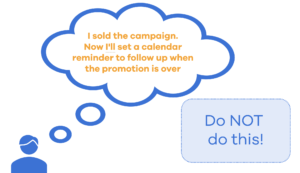
Instead, consistent involvement during the campaign is critical. Ongoing engagement:
- Positions you as a strategic partner
- Provides real-time proof of performance
- Allows for optimization and pivots
- Builds excitement and client confidence
Top teams reinforce this with structured check-ins. In fact, leading organizations review campaigns weekly to evaluate pacing, lead quality, and optimization opportunities—resulting in stronger outcomes and higher renewal rates.
Use Data to tell the Story
Your dashboard is one of your most powerful follow up tools.
From day one, sellers should monitor and share key metrics:
- Entries and engagement levels
- Leads and opt-ins
- Demographic and geographic data
- Conversion-driving actions
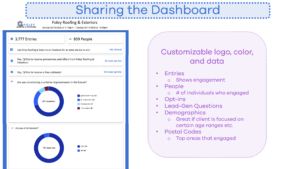
And remember: there is no “perfect” number of entries. Success is defined by whether the campaign is achieving the advertiser’s goals—not arbitrary benchmarks. Regular reporting—especially mid-campaign updates—keeps clients informed and reinforces the value of their investment.
What if Thing’s Aren’t Going Well?
Not every campaign will perform perfectly out of the gate. The difference between average and exceptional sellers is the ability to adjust in real time.
If performance dips, flip the levers:
- Send additional invite emails
- Feature the promotion in newsletters
- Increase social or on-air promotion
- Add SMS or app push notifications
- Utilize unsold inventory to boost reach
One key factor – email is the #1 driver of conversions. Invite emails always spike engagement and bring attention back to the promotion and the sponsor.
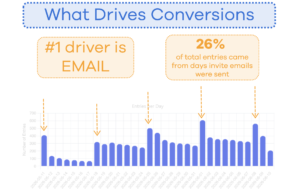
Optimization isn’t a sign of failure—it’s proof you’re actively managing the promotion and guaranteeing results for your clients.
Post-Campaign Recaps that Sell the Next Deal
A strong recap doesn’t just summarize—it sells. Create end of campaign recaps that include the sharable promotion dashboard and other metrics from your campaign like emails sent, clicks, impressions, engagements, etc.
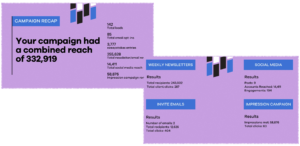
Effective recaps also include asking the client for information on how they capitalized on the leads, data, and opt-ins you provided them:
- How many leads converted into sales?
- How are you utilizing the data?
- What new opportunities were uncovered?
The best teams go a step further by including next-step recommendations for their clients, such as:
- Launching email campaigns to new opt-ins
- Retargeting engaged audiences
- Creating bounce-back offers for leads
This positions you not just as a vendor, but as an ongoing growth partner.
Turn Insights Into the Next Campaign
The most valuable outcome of any campaign isn’t just leads—it’s learning.
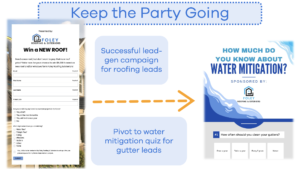
For example:
- If 70% of participants show interest in a specific service, that becomes the focus of the next promotion.
- If a quiz reveals knowledge gaps, the next campaign can educate while capturing new leads.
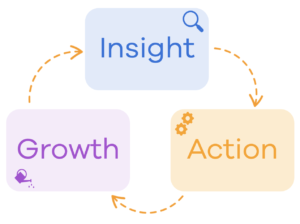
This creates a continuous cycle of insight → action → growth, ensuring each campaign performs better than the last.
ROI Drives Renewals
When you:
- Stay engaged throughout the campaign
- Share data consistently
- Deliver real leads
- Provide clear next steps
…you make it easy for clients to justify—and repeat—their investment.
Because in the end, proving ROI isn’t just about reporting results. It’s about showing advertisers what’s possible next.



Matt is a Customer Success Manger at Second Street. He works with our partners to help them succeed with engagement campaigns, and is also our in-house expert on running successful ballot programs.